An Overview of the Three Almond Varieties of Sfax
1. Achaak Variety (العشّاق)
History and Origin: An iconic local variety of the region, Achaak expanded significantly with the growth of the blanched almond kernel trade, gradually gaining ground over the market for in-shell almonds.
Flowering and Phenology: Very early flowering due to its very low chilling requirements, characterized by abundant flowering and very good fertility.
Yield and Fruit Quality:
- Shelling Yield: Approximately 45%.
- Kernel: No double kernels. The kernel is elongated, medium-sized, flat, light-colored, and veined. Its highly attractive appearance gives it significant added commercial value in the Sfax market.
- Oil Content: Very high oil content in the kernel (approximately 62%), exceeding that of most other varieties.
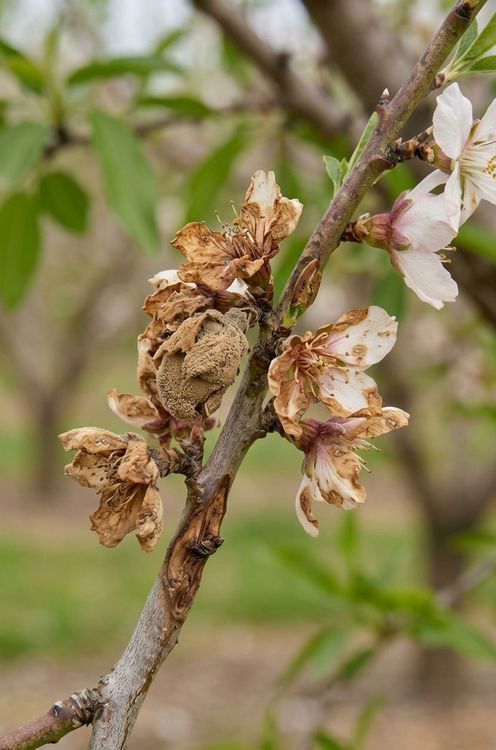
Plant Health Profile: Susceptible to Gloeosporium (anthracnose), but shows fairly good resistance to Fusicoccum and the almond lace bug (Monosteira unicostata).
2. Zaaf Variety (الزحاف / أبيض)
Name and Use: Also known as "Abiod" (meaning "White"). Unlike the Achaak variety, its fruits are primarily marketed in the shell.
Flowering: Very early flowering.
Yield and Fruit Characteristics:
- Shelling Yield: High, reaching approximately 50%.
- Notable Defect: Has a high proportion of double kernels (approximately 40%).
Plant Health Profile: Highly susceptible to anthracnose (Gloeosporium) and Fusicoccum.
3. Ksontini Variety (القسنطيني)
Distinctive Features and Origin: Distinct from the "Constantini" variety, Ksontini was historically disseminated from Tunisia to several international collections.
Agronomic Performance: A highly productive variety that is representative of almond populations in the Sfax region. It is commonly used as a preferred pollinizer for the Achaak variety.
Yield and Fruit Characteristics:
- Shelling Yield: Ranges from 40% to 50%.
- Fruit: Relatively small.
Plant Health Profile: Highly susceptible to Gloeosporium (anthracnose).