A Century of Tradition: The History of Olive Harvesting in Sfax (1916–1920)
1. A Loyal and Indispensable Workforce
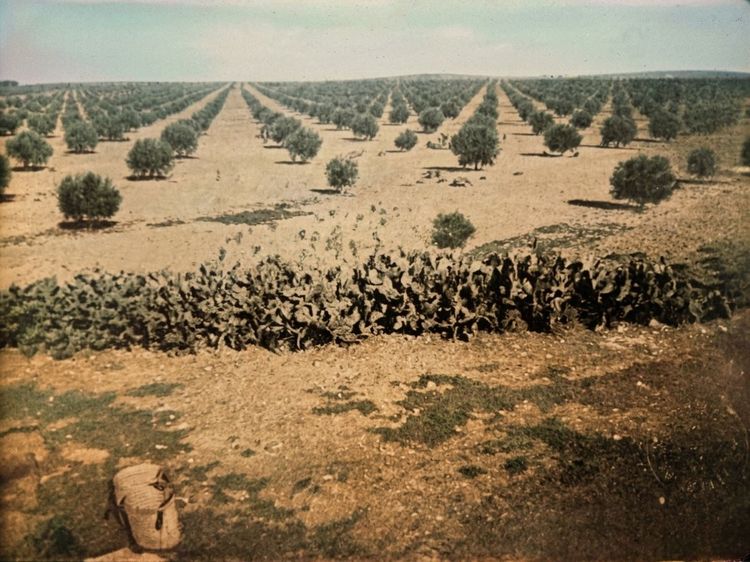
For more than a century, the wider Sfax olive-growing region has lived according to the rhythm of its historic harvests. During the exceptionally abundant harvest seasons of 1916, 1918, and 1920, there was never a shortage of labor. Traditional communities from the South settled in the olive groves, providing a dedicated workforce that sourced its oil and grain supplies locally.
2. Soil Preparation and Respect for Fallen Fruit
As early as August, in the summer heat, the soil beneath the olive trees was carefully leveled with a rake to make it easier to collect fruit that fell naturally before the official harvest began.
Women gathered and sifted these fallen olives to separate them from the soil. Although they produced a fruitier oil, it was of lower quality. These olives were never mixed with healthy fruit picked directly from the tree, thus preserving the reputation of Sfax olive oil.
3. The Art of Harvesting: Sheep Horns and Jute Sheets
The Sfax method was distinguished by remarkable attention to detail. Harvesting was carried out using double ladders, with each ladder serving a team of 5 to 8 men and an equal number of women. Between 8 and 10 sheets, each measuring 1.50 m wide and 6 m long per ladder, were spread beneath half of the tree canopy.
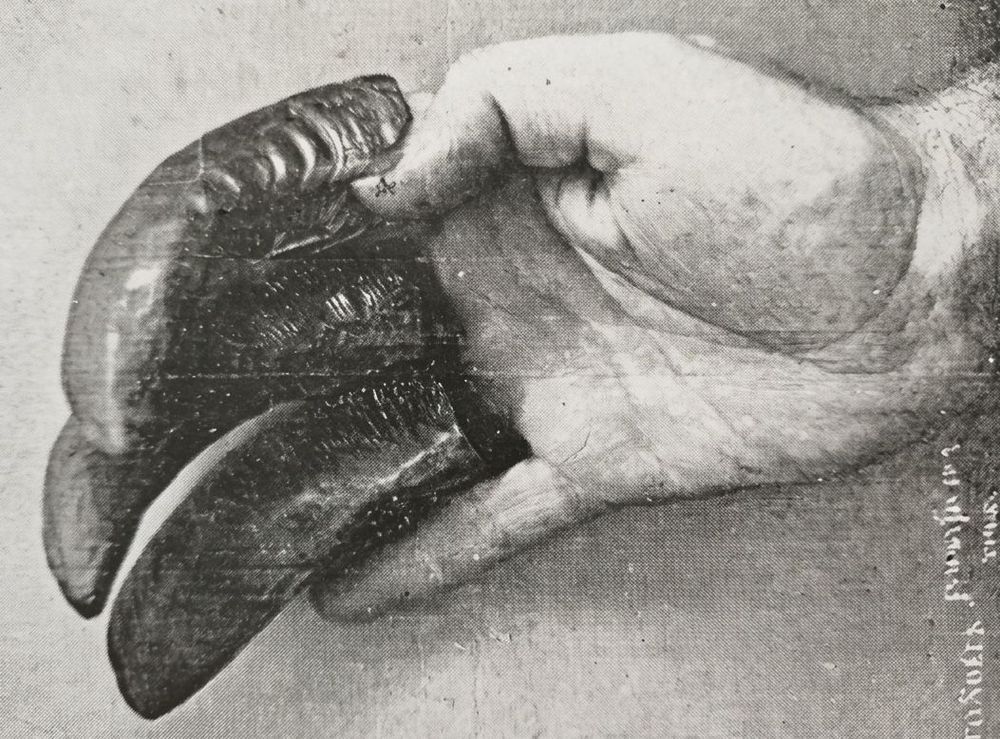
Standing on the ladder, the men held the branches with their left hands and detached the fruit with their right hands using three sheep horns attached to their first three fingers. On the ground, the women made sure to return to the sheets any olives that rolled outside them. In a remarkable regional practice, beating the branches to dislodge the olives was strictly prohibited.
4. Units of Measurement, Weighing, and Harvesting Costs
Once the first half of the tree had been harvested, the sheets were moved beneath the other half. At the end of the day, the men winnowed the olives to remove the leaves. The olives were then measured using a double deciliter measure before being placed in large baskets made from esparto grass, known as zembils, each with a capacity of 160 liters.
Capacity Units and Weight Equivalents:
- Caffis: 640 liters.
- Ouiba: 40 liters, equivalent to 1/16 of a caffis, representing approximately 27 to 28 kg of olives.
- Saâ: 3.33 liters, equivalent to 1/12 of an ouiba.
- Weight of a Caffis: A caffis of olives weighed between 430 and 450 kg, equivalent to 67 to 70 kg per hectoliter, depending on moisture content.
Harvesting Costs (Piece-Rate Payment):
Before 1916, winnowed and measured olives cost between 6 and 12 francs per caffis (0.95 to 1.90 francs per hectoliter), depending on the abundance of the harvest. During the exceptionally good harvests of 1918 and 1920, the price reached 18 to 20 francs per caffis.
5. Transport to Oil Mills, Costs, and Modernization
Transporting olives to the oil mills relied on several means of transportation:
- Camels: Brought by teams from the South, each camel carried two zembils (320 liters, or half a caffis).
- Carts: A cart could carry up to two caffis.
- Motor trucks: Used from 1920 onward, they were more expensive but significantly faster.
Changes in transportation costs: Before 1916, transport cost between 2.50 and 3.50 francs per caffis (0.40 to 0.55 francs per hectoliter). In 1918 and 1920, costs became very high for plots far from the city, reaching 20 to 30 francs per caffis. The construction of oil mills west of the forest and the opening of the Sfax–Bou-Thadi railway line helped avoid these substantial expenses and made it possible to transport fresh olives from the early hours of the morning.