The Epic Story of the Sfax Olive Forest: History, Structure, and Challenges
1. Natural Environment and Sfax's Agronomic Ingenuity
The extraordinary success of olive cultivation in Sfax is first and foremost based on a perfect match between people and their environment. In this region, where average annual rainfall barely exceeds 210 to 270 mm, farmers have successfully made use of deep, siliceous soils that are easy to cultivate and exceptionally favorable to root development.
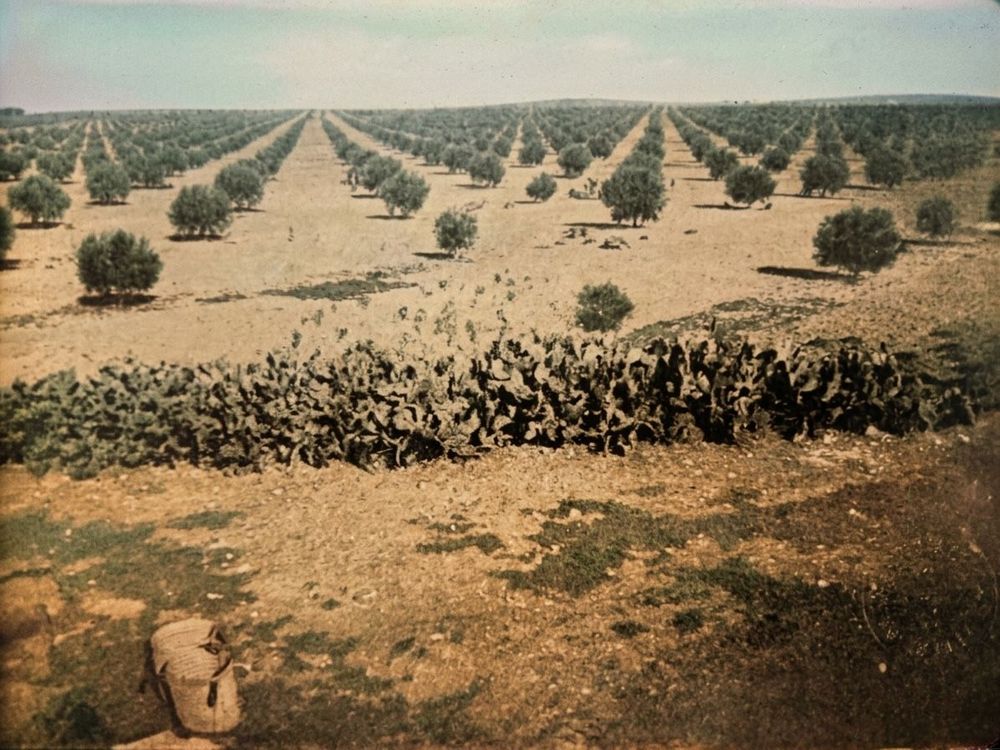
To make olive trees thrive in an arid environment, the people of Sfax developed a planting system unique in the world:
- Very low-density planting: Trees are spaced 20 to 24 meters apart, resulting in a density of only 17 to 20 olive trees per hectare, allowing each tree to capture water from a large surrounding area.
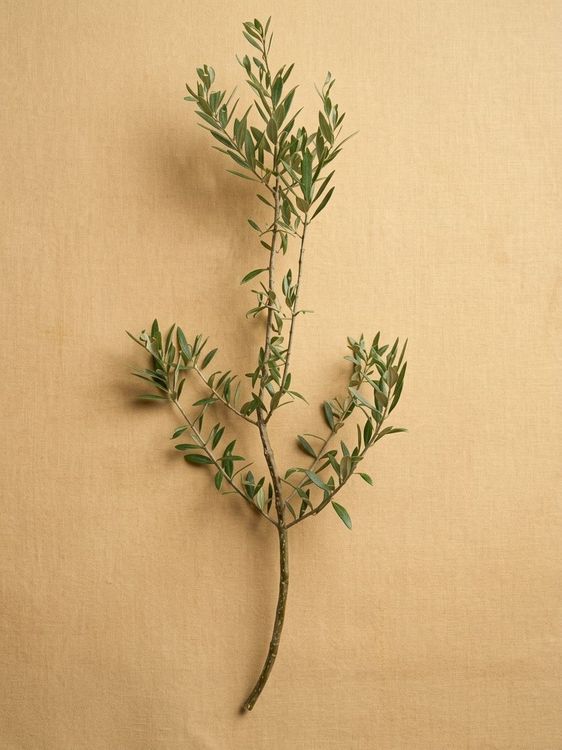
- Tree structure: Trained with a single trunk branching at 1 meter above the ground, olive trees maintain a spherical shape until around 25 years of age, before developing a cylindrical silhouette with drooping branches laden with fruit.
2. The Birth of the "Sfax Olive Forest" (1810–1927)
The history of the great olive forest began around 1810 with the establishment of the first fan-shaped orchards west of the city, covering approximately 18,000 hectares and containing 380,000 olive trees.
The decisive impetus came with the decree of February 8, 1892, promoted by Paul Bourde. By making state-owned lands (the "Sialine lands") available to planters for the modest sum of 10 francs per hectare, the government triggered a veritable planting boom.
By 1927, the landscape had been completely transformed: the olive forest contained 3,885,539 olive trees spread across an immense area of 207,500 hectares, divided among the region's three caïdats:
- Sfax: 2,168,947 olive trees (108,447 ha)
- Djebeniana: 1,138,390 olive trees (65,688 ha)
- La Skhira: 578,202 olive trees (33,364 ha)
3. Social Organization and the Lifestyle of Olive Growers
Unlike the Sahel region, where farmers live in integrated rural villages, olive cultivation in Sfax developed according to a distinctive social model. Most landowners continued to live in the city of Sfax, making long journeys to the "forest" to supervise agricultural work.
At the heart of the orchards stand the "bordjs", these manor houses occupied only during key periods of the agricultural season. Over the decades, this rural network gradually gave rise to genuine local centers such as Agareb, Djebeniana, Maharès, La Hencha, Triaga, and Bou-Thadi.
4. Orchard Renewal and Economic Transformations
Between 1910 and 1928, the Sfax olive forest underwent a profound transformation. Old, exhausted orchards were systematically uprooted and replaced with younger, more productive trees, ensuring the continuous renewal of the olive groves.
This spectacular expansion of olive cultivation took place by transforming former cereal-growing land and grazing areas. Although this reduced traditional sheep-grazing pastures, olive cultivation established itself as the most prestigious and profitable economic use of the region's arid lands.
A Century-Old Heritage Worth Preserving!
The Sfax Olive Forest is the fruit of our ancestors' vision, hard work, and ingenuity. Today, more than ever, preserving this exceptional heritage and perpetuating the cultivation of the Chemlali Sfaxi olive is a duty to our history and a major opportunity for the future of our agriculture.