The Art of Olive Tree Pruning in Sfax: Mastering Sap Flow and Light
1. Why Prune Olive Trees? The Risks of Neglect
In unpruned olive trees, the canopy quickly becomes too dense, preventing sunlight from reaching the center of the tree. Sap flow slows down, and photosynthesis becomes less effective in shaded branches.
These shaded branches become true “parasites,” needlessly depleting the tree's reserves and causing flower abortion and a lack of fruit production. An olive tree left unpruned is also much less able to withstand adverse conditions:
- Increased vulnerability: Greater sensitivity to water stress and drought, as well as attacks by the olive bark beetle, scale insects, and sooty mold.
- Sucker growth: As soon as growing conditions improve, the exhausted tree produces vigorous water sprouts at the expense of fruit-bearing wood.
- Alternate bearing and difficult harvesting: Fruiting becomes highly irregular from one year to the next, while uncontrolled branch elongation makes harvesting extremely difficult.
2. The Benefits of Rational Pruning
Proper pruning carried out according to established principles helps maintain balanced vigor throughout the olive grove:
- Light distribution: It allows the best fruit-bearing branches to be selected while systematically removing exhausted, diseased, or poorly positioned shoots.
- Wood renewal: It stimulates the development of new, vigorous shoots directly attached to the main branches and well exposed to sunlight.
- Higher olive quality: Fruits borne on young, vigorous shoots grow larger, remain healthier, and contain significantly more oil.
3. Key Techniques: Heading Back and Thinning
In the Sfax pruning tradition, pruning operations combine two fundamental principles guided by sap flow:
Heading Back
This technique involves shortening the main branches to prevent excessive elongation and bring the productive zone closer to the trunk. This strategic cut moderates sap flow by removing unnecessary terminal buds.
Shoot Thinning
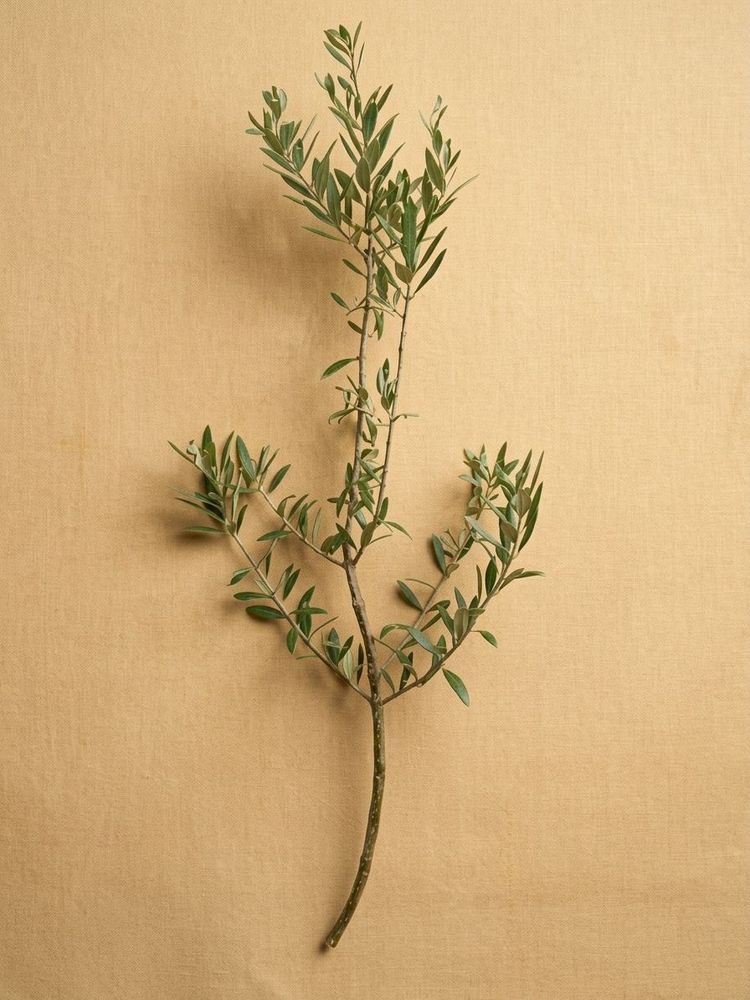
Based on sap-flow dynamics, thinning involves removing four to six tenths of the shoots, depending on canopy density. The retained shoots should be spaced an average of 10 to 15 cm apart, roughly the width of a hand.
The principle of thinning: Sap naturally flows toward the branch tips. By removing some of the terminal branches, the released sap is redirected toward buds on the lower, bare sections, encouraging the development of strong lower shoots close to the main scaffold branches.
4. Managing the Terminal Shoot According to Vigor and Rainfall
Whether the terminal bud is retained or removed during thinning depends directly on branch vigor and rainfall levels:
- Low-vigor trees: The terminal shoot is retained to maintain sufficient sap flow and stimulate growth.
- Vigorous or young trees: The terminal shoot is pinched back or removed to moderate sap flow and encourage buds to develop into flower buds.
- Rainfall factor: After rainy autumns and winters, terminal shoots are removed more extensively to control excessive wood growth.
Thanks to this specific pruning approach, with the terminal shoot retained or removed as needed, the main scaffold branches of Sfax olive trees reach their maximum permitted height only after 45 to 50 years, ensuring exceptional longevity and productivity.
Important note: The pruning techniques described in this article are specifically adapted to the Chemlali of Sfax variety, which is characterized by its vigorous growth and distinctive growth habit. For other olive varieties, such as Chétoui, Meski, or Spanish and Italian varieties, pruning principles may differ considerably depending on their growth patterns and horticultural management.