The Olive Fruit Fly (Bactrocera oleae): From Historical Experiments to Modern Scientific Approaches
Part 1: Historical Facts and Early Observations
The olive fruit fly has long been recognized as one of the most damaging pests affecting olive groves throughout the Mediterranean basin. Its larvae damage the olive pulp and deteriorate oil quality, potentially contributing to increased free acidity and the development of organoleptic defects affecting taste and aroma.
1. Pest Morphology and Biological Cycle
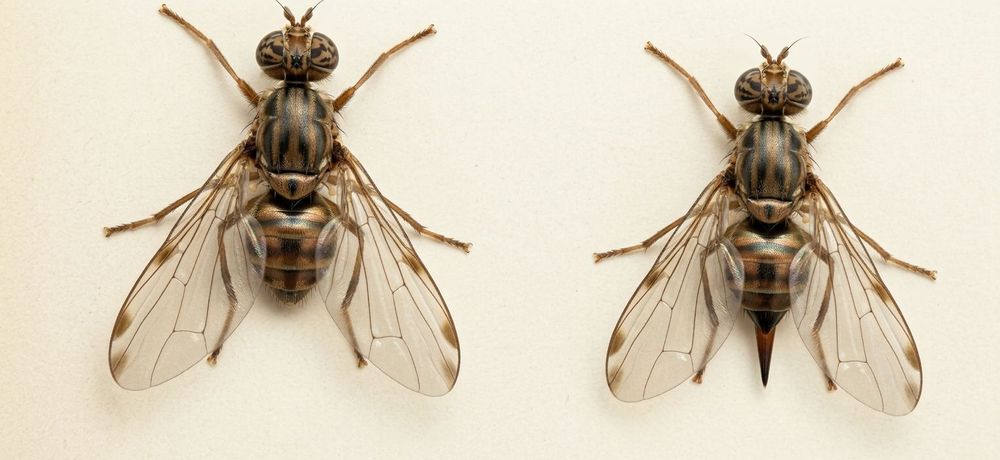
Formerly known by the scientific name Dacus oleae, the olive fruit fly is a small insect approximately 5 mm long, with a yellow head and a grey thorax. The female uses her ovipositor to insert an egg beneath the olive skin, generally leaving a small, characteristic puncture mark at the oviposition site.
The larvae (maggots) hatch and tunnel through the pulp. Their development varies according to temperature and climatic conditions. Infestation can lead to premature fruit drop before harvest and a deterioration in fruit quality. In Tunisia, fly activity varies according to the region, climate, and stage of fruit development. Regular monitoring throughout the season is therefore essential.
2. Historical Experiments and the Discovery of the Parasitoid Opius concolor
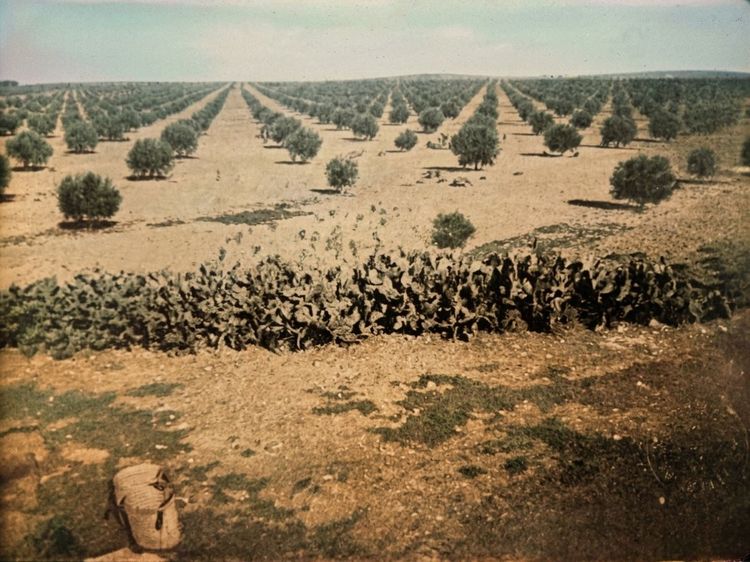
The first treatment trials conducted in Sfax in 1909 and 1910 using poisoned sugary mixtures, including honey and poisoned sugar, proved unsuccessful. Wind carried sand onto the sugar-coated leaves, causing them to turn yellow and encouraging the development of sooty mould.
In 1910, during a scientific mission in Tunisia, a beneficial insect for olive growers was discovered: Opius concolor. This small parasitic wasp attacks olive fruit fly larvae and helps reduce the pest's offspring. At the time, farmers collected residues containing fly pupae and placed them in fine-mesh boxes. The mesh allowed the parasitoid to emerge while trapping adult olive fruit flies.
Part 2: Scientific Progress and Modern Protection Strategies
Today, the accepted scientific name of the olive fruit fly is Bactrocera oleae. Modern research has demonstrated that the insect is closely associated with symbiotic bacteria, particularly Candidatus Erwinia dacicola, which play an important role in its nutrition and development, especially during the larval stage inside the fruit.
Modern management relies on Integrated Pest Management (IPM), combining regular monitoring, preventive measures, trapping, attractive baits, available biological control methods, and the judicious use of authorized plant protection products according to infestation levels and official recommendations.
1. Orchard Monitoring and Prevention
- Monitoring traps: These are used to track pest activity and assess population trends throughout the season. They may contain food attractants such as ammonium salts. Their primary purpose is monitoring; they are not sufficient on their own to eliminate the pest population.
- Hydrolysed protein food baits: These attract adult flies and may be combined with an approved active ingredient, provided the treatment complies with registered uses. In Tunisia, growers should check the latest list of authorized plant protection products, apply the prescribed doses, and respect the pre-harvest interval (PHI).
- Kaolin (white clay): Kaolin was studied in an olive orchard in Nabeul, Tunisia, during the 2012–2014 period, demonstrating its potential to reduce olive fruit fly infestation. It forms a white mineral film over leaves and fruit, disrupting the insect's recognition of the olives and reducing egg-laying. Its effectiveness varies according to the formulation, concentration, application timing, and weather conditions. Before recommending it for field use, growers should verify the availability of a product registered for this purpose in Tunisia.
2. Baiting and the “Attract and Kill” Technique
The “Attract and Kill” technique combines a food-based or pheromone attractant with a control agent. Application methods vary according to the formulation and may involve localized spraying on part of the tree or the deployment of specialized traps.
The number and placement of traps should be adjusted according to the manufacturer's specifications and the intended objective, whether monitoring or mass trapping. A fixed recommendation, such as 50–100 traps per hectare, should therefore be avoided unless the specific device and protocol are clearly identified.
Spinosad is an active ingredient derived from bacterial fermentation and is incorporated into certain specialized bait products. Its use in Tunisia depends on local registration and the authorized uses specified on the product label.
3. Biological Control and Biotechnical Methods
- The parasitoid Psyttalia concolor: Known in older literature as Opius concolor, this parasitoid attacks olive fruit fly larvae. The success of biological control depends largely on environmental conditions and the parasitoid's ability to establish itself in the target area.
- Entomopathogenic fungi: Fungi such as Beauveria bassiana are studied for the biological control of various insect pests. Their practical effectiveness against Bactrocera oleae and the availability of suitable formulations in Tunisia should be verified before large-scale application is recommended.
- Sterile Insect Technique (SIT): This method involves releasing sterilized males to disrupt reproduction. It requires coordinated area-wide implementation and substantial logistical support. It should not be presented as a readily available solution for an individual farm without official validation and an established control programme.
Protect the Quality of Your Olive Oil!
Protecting olive trees against the olive fruit fly begins with regular orchard inspections, monitoring trap catches, and carefully examining fruit for the first signs of oviposition. Combining systematic monitoring, suitable baits, preventive measures, and targeted treatments with authorized products can significantly reduce infestation risks and help preserve olive oil quality.
The key is to adapt the protection strategy to the geographical area, cultivated varieties, weather conditions, and level of pest pressure, while strictly following product instructions and pre-harvest intervals. Successful protection does not rely on a single method, but on an integrated and adaptable crop protection programme.