Olive oil is an exceptional plant fat whose nutritional, gustatory, and therapeutic values closely depend on harvested fruit quality, extraction methods, and strict thermal control during processing. This guide synthesizes technical, legal, and organoleptic knowledge.
1. Essential Nuance: Modern Mechanical Extraction vs Chemical Refining
It is crucial not to confuse modern industrial mills with chemical refining. Modern mechanical continuous extraction systems (Continuous Systems) produce extremely high quality, healthy Extra Virgin Olive Oil through clean mechanical technology (cold centrifugation) without chemical processing.
The true distinction lies solely in the treatment method:
A. Direct Cold Mechanical Extraction (Extra Virgin & Virgin)
Step 1: Healthy Fruit & Preparation
Exclusive use of healthy olives. Meticulous cleaning, leaf removal, washing with clean water, and mechanical crushing.
Step 2: Cold Malaxation & Extraction
Paste malaxation and centrifugal separation conducted strictly at temperatures not exceeding 27 °C (≤ 27 °C).
Step 3: Protective Packaging
Bottling in dark tinted glass or stainless steel containers to shield the oil from photo-oxidation.
B. Industrial Chemical Refining (Defective Oils & Pomace)
Step 1: High Heat & Solvents
Processing degraded olives or pomace, with high thermal preheating (70 to 100 °C) and chemical solvents (hexane).
Step 2: Heavy Chemical Processing
Caustic soda neutralization, bleaching with activated clays, and vacuum steam deodorization to remove off-odors.
Step 3: Blending & Packaging
Packaging neutral, odorless refined oil in plastic bottles after blending with a small percentage of virgin oil.
2. Full Table of Legal Olive Oil Designations
| Legal Designation | Free Acidity Limit | Process & Characteristics |
|---|---|---|
| Extra Virgin Olive Oil | Below 0.8% to 1% | Pure cold mechanical extraction juice with no chemical treatment. Superior quality with zero defects. |
| Virgin Olive Oil | Maximum 2% | Pure mechanical juice without thermal or chemical processing. Excellent flavor profile and high quality. |
| Ordinary Virgin Olive Oil | Up to 3.3% | Mechanical extraction displaying higher acidity and slight flavor defects. |
| Lampante Virgin Olive Oil | Greater than 3.3% | Unfit for direct consumption due to severe defects and high acidity. Intended for industrial refining. |
| Refined Olive Oil | Maximum 0.3% to 0.6% | Obtained via thermal and chemical solvent refining. Odorless, colorless, and neutral prior to blending. |
| Olive Oil (Blend) | Maximum 1.5% | Blend of refined olive oil and virgin olive oil to restore flavor and color. |
| Olive Pomace Oil | 1% to 1.5% | Solvent-extracted from solid press residues (pomace), refined, and blended with virgin oil. |
Thermal Regulations & Appellations
- First Cold Pressing: Designation reserved exclusively for oils obtained from a single mechanical extraction conducted at ≤ 30 °C.
- Organic Requirements (Bio): Absolute thermal limit of 50 °C including friction heat. Keeping temperatures below 40 °C (ideally 27 °C) is advised to safeguard essential fatty acids and antioxidants.
Regional Characteristics & Typologies of Tunisian Olive Oils
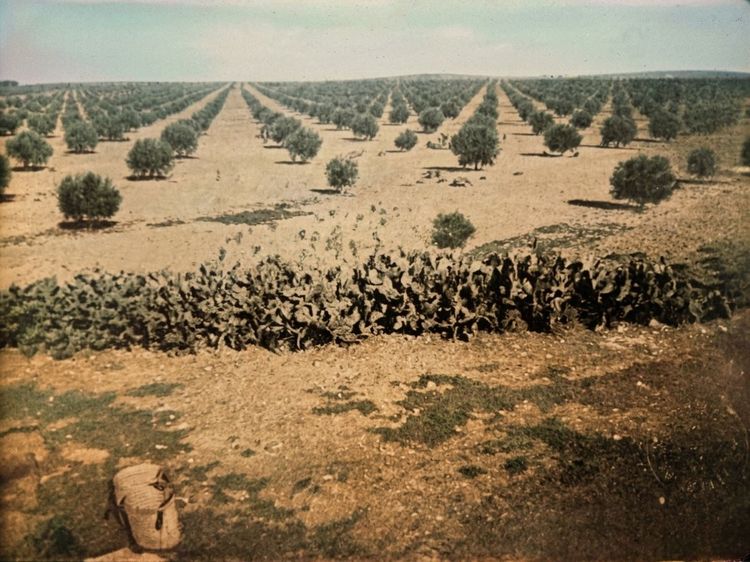
According to historical analyses by M. Bertainchand, former director of the Agricultural and Industrial Chemistry Laboratory (Agronomic and Olive Station), Tunisian olive oil is commercially classified into three main types according to its fatty acid composition:
- Northern Oils: Characterized by a high proportion of fluid fatty acids (85%) versus 15% concrete acids. Intensely fruity, green, and deep in color, they resist cold temperatures and only solidify at 5 °C.
- Sahel Oils: More balanced (79% fluid / 21% concrete), lighter in color, and mild. They freeze around 9 °C and closely resemble Southern Italian oils (Bari style), making them highly sought after by Italian importers.
- Sfax Oils: Feature 75% fluid acids and 25% concrete acids. Sweet and mildly fruity profile favored in France. Due to their higher concrete acid content, they solidify in cold weather even faster than Sahel oils.
3. Flower of Olive Oil: A Rare and Exceptional Oil (Fleur d'Huile)
"Flower of Olive Oil" represents the absolute pinnacle of traditional extraction. Crushed olive paste is spread on mats, allowing the oil to naturally free-run and drip drop by drop without applying any mechanical pressure.
- Yield: Exceptionally low, requiring approximately 10 kg of prime olives to collect a single liter.
- Usage: Primarily reserved for precision therapeutic uses and high-end international gastronomy.
4. Sensory Profiles, Fruitiness & Culinary Uses
- Green Fruity: Produced from early-harvest green olives. Raw artichoke and cut grass aromas, noble bitterness, and fresh pungency. Ideal for salads and dry legumes.
- Ripe Fruity: Extracted from mature olives (purple/black). Smooth entry, near-absent bitterness, and mild pungency. Ideal for fish and white meats.
- Black Fruity (Traditional Style): Results from controlled anaerobic fermentation of olives before milling. Cocoa and mushroom aromas, velvety texture without bitterness.
Preserve Your Olive Oil Quality!
Temperature control and fruit freshness are the ultimate keys to success. Always demand label transparency and choose cold-extracted oils stored in dark glass bottles to protect this healthy treasure.