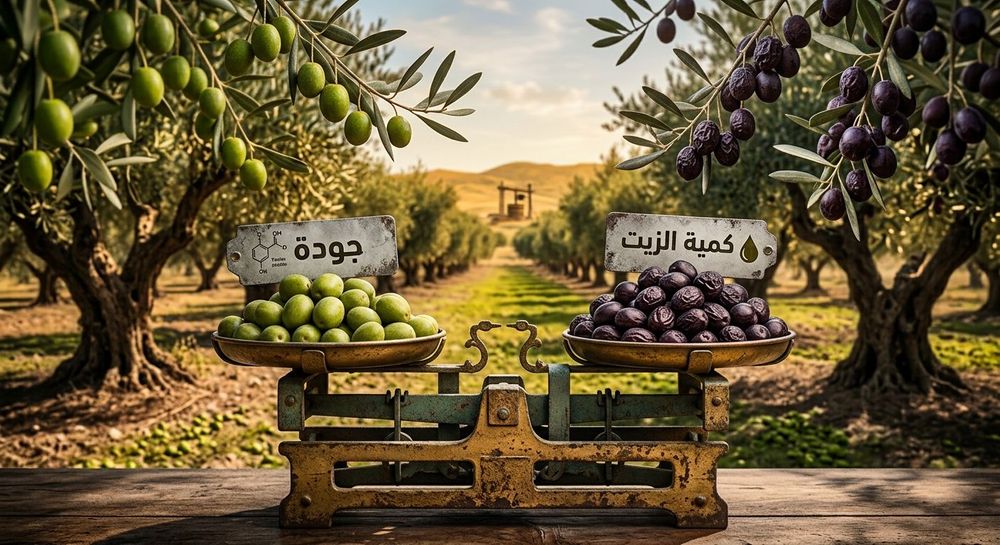
Many olive growers associate fruit ripening with higher oil yields: as the skin darkens, delaying the harvest seems logical to extract more oil. But is this rule always accurate? In reality, harvest timing governs much more than oil quantity—it defines flavor, antioxidant levels, and shelf life. Harvesting too early is not always ideal, and delaying too long does not guarantee more oil. The right decision depends on cultivar, crop load, weather conditions, and market goals.
1. Physiological Changes During Olive Maturation
Starting green and firm, olives undergo chemical transformations as they ripen. Lipid accumulation occurs alongside changes in phenolic compounds responsible for bitterness, pungency, and oxidative stability:
- Early Harvest: Yields oil rich in polyphenols with vibrant green fruitiness, high bitterness, and strong oxidative stability.
- Advanced Ripening: Total oil content within the fruit may increase in some cases, but phenolic concentrations drop significantly in most cultivars.
2. Early Harvest: Advantages and Constraints
Harvesting early in the season offers distinct benefits alongside potential trade-offs:
Advantages
High polyphenol concentration, intense green organoleptic profile, and extended oil shelf life.
Constraints
Lower extraction efficiency if fruit moisture is high, and intense bitterness that may not suit all consumer segments.
3. Late Harvest: More Oil or False Impression?
It is crucial to differentiate between three distinct parameters:
- Oil content in dry matter: The actual proportion of synthesized fat in the mesocarp.
- Mill extraction efficiency: The percentage of oil physically recovered during processing.
- Total yield per hectare: Net output after accounting for natural fruit drop.
Excessive delay may artificially inflate perceived oil percentage due to fruit dehydration, while triggering pre-harvest fruit drop and sensory degradation.
4. Research Findings on the "Chemlali" Cultivar
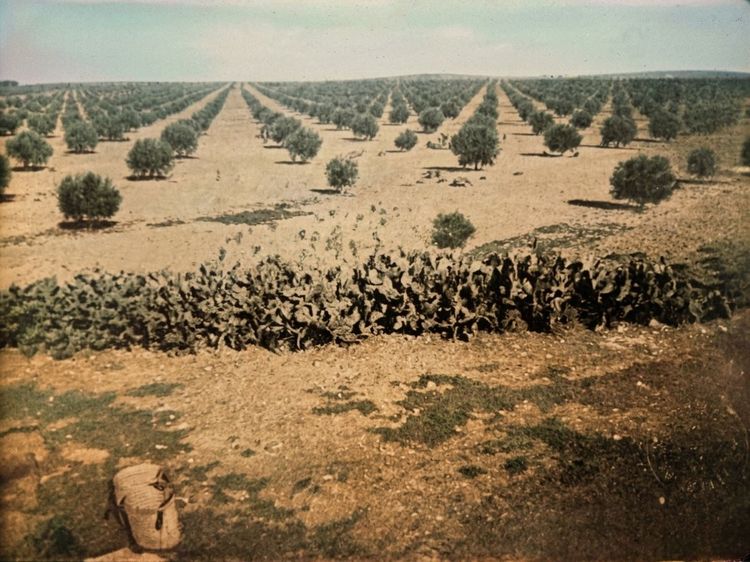
A four-year study across three Tunisian regions indicated that the period between late November and mid-December (maturity index 2.5 to 3.5) offered the optimal balance between fat content and chemical quality for the Chemlali cultivar.
Note: Optimal timing shifts according to seasonal rainfall, irrigation, and tree crop load.
5. Determining Harvest Timing in Your Orchard
- Monitor Maturity Index: Evaluate skin and pulp color changes across representative tree samples.
- Assess Fruit Health: Initiate harvest immediately if fruit drop or pest damage occurs.
- Define Commercial Target: Are you producing high-polyphenol Extra Virgin Olive Oil or a softer commercial blend?
- Coordinate Milling: Minimize time between picking and processing to prevent fermentation.
6. Early Harvest & Pruning: Do They Really Eliminate Alternate Bearing?
It is a common belief that harvesting early and pruning right away guarantees a heavy crop next season. While early harvest frees the tree and improves orchard management, it does not eliminate alternate bearing on its own.
Alternate bearing is a complex physiological phenomenon tied to the tree's overall balance. Return bloom for the following year relies on interrelated key factors:
- Current Crop Load: Heavy fruit load depletes carbohydrate reserves, inhibiting floral bud induction regardless of how early the fruit is picked.
- Post-Harvest Water & Nutrition: Lack of post-harvest irrigation or fertigation prevents energy reserve replenishment.
- Balanced Pruning: Severe pruning can remove potential fruiting wood and trigger excessive vegetative growth instead of flowering.
Key Takeaway: Early harvest and light pruning give the tree a better chance to recover, but controlling alternate bearing demands a comprehensive strategy including irrigation, fertilization, and crop load management.
7. Conclusion: Do Not Rely on Color Alone!
The solution is neither harvesting blindly early nor waiting for total fruit blackening. Optimal timing requires balancing cultivar traits, orchard health, and target market requirements.